
How to Calm a Dog During Fireworks: What Works and What Doesn't
September 18, 2026 · Eduardo Schlichting
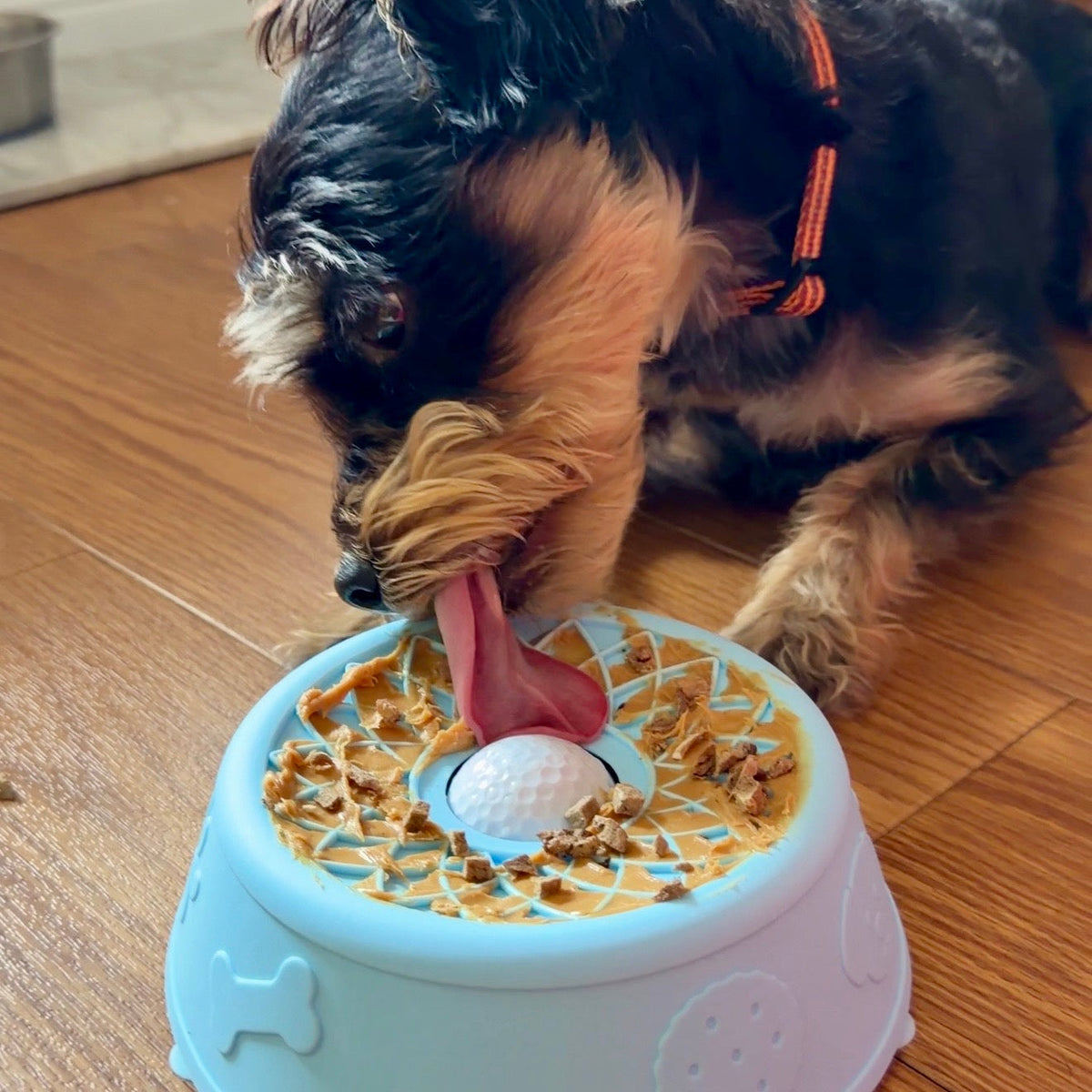
Our dog Zeus shakes through thunderstorms. The first fireworks night we had with him, he spent most of it pressed into the gap behind the couch, and nothing we said made any difference.
If that is your dog too, here is what actually helps, and what to stop bothering with.
Why fireworks are worse than other loud noises
It is not only the volume. Fireworks are unpredictable, so there is no pattern for your dog to settle into. They come with flashes and vibration and a smell. And they have no context: a dog cannot understand that this is a scheduled event that ends at eleven.
Their hearing is also far better than yours. What reads as a distant thud to you is close and sharp to them.
Before the night
Walk them early. Get the exercise in during daylight, well before anything starts. A dog who has already run is easier to settle, and you avoid being outside when the first one goes off.
Feed them early too. Frightened dogs often will not eat. Get dinner in before the noise starts rather than trying to convince them later.
Build the safe spot in advance. Pick the most insulated room you have, ideally away from windows. Basements are good. Put their bed in it, close the curtains, and leave the door open so it is a choice rather than a trap. Set it up a day or two early so it is familiar.
Check their tags. More dogs go missing on fireworks nights than any other night of the year. Make sure the collar tag is current and the microchip details are up to date. It takes five minutes and it is the difference between a scare and a disaster.
On the night
Close everything and turn something on. Windows, curtains, blinds. Then add steady background sound: a fan, a television, music. You are not trying to drown the fireworks out, just to blunt the contrast between silence and a bang.
Stay in. Your presence matters more than anything you do. A dog left alone through it has nothing to anchor to.
Give them something to lick. This is the most useful thing on the list. Slow repetitive licking is self-soothing for dogs. It occupies the part of the brain that is otherwise busy panicking, and it gives them a job at a moment when they have no idea what to do with themselves.
Load a lick bowl or mat with something good, freeze it that morning, and hand it over before the first fireworks rather than after they are already shaking. Once a dog has tipped into real panic, food usually stops working.
Let them hide. Behind the couch, under the bed, in the bathroom. Hiding is a coping strategy, not a problem to solve. Leave them there and sit nearby.
What not to do
Do not punish the fear. Barking, pacing, whining and accidents are panic, not disobedience. Telling them off adds you to the list of frightening things.
Do not force them out of their hiding place to be comforted. Let them come to you.
Do not take them to a display. No matter how well they usually handle things.
Do not worry about "rewarding" the fear. This old advice will not die, and it is wrong. You cannot reinforce an emotion the way you reinforce a behaviour. If your dog wants to be near you, let them. Comfort them.
If it is severe
Some dogs are beyond what curtains and a frozen bowl can fix. Genuine panic, self-injury, destroying doors trying to escape. That is not a dog who needs a better distraction, that is a dog who needs help.
Talk to your vet, ideally weeks before fireworks season rather than the afternoon of. There are medications made for exactly this, and they need to be tried in advance. A vet can also point you toward a behaviourist for desensitisation work, which takes months but genuinely changes things.
Anything you have read about calming supplements, pressure wraps or pheromone diffusers is worth raising with your vet too. Results vary a lot between dogs and it is worth knowing what to expect before you spend money on it.
It does get better
Zeus is still not a fan. But he has a room he goes to, a bowl waiting for him, and a household that does not make a fuss, and last year he slept through most of it.
That is usually what progress looks like. Not a dog who does not care, just a dog who knows the scary part has a calm answer waiting.
Our Hush Bowl is what we use with him. Fill it, freeze it, hand it over before the noise starts, and one spoonful of peanut butter becomes 20+ minutes of focused licking instead of 20 minutes of shaking.

